How to Build an Award-Winning Experiential Campaign
Breaking down the mechanics behind the Cannes Lions Bronze-winning 'Olha Pra Elas' activation.
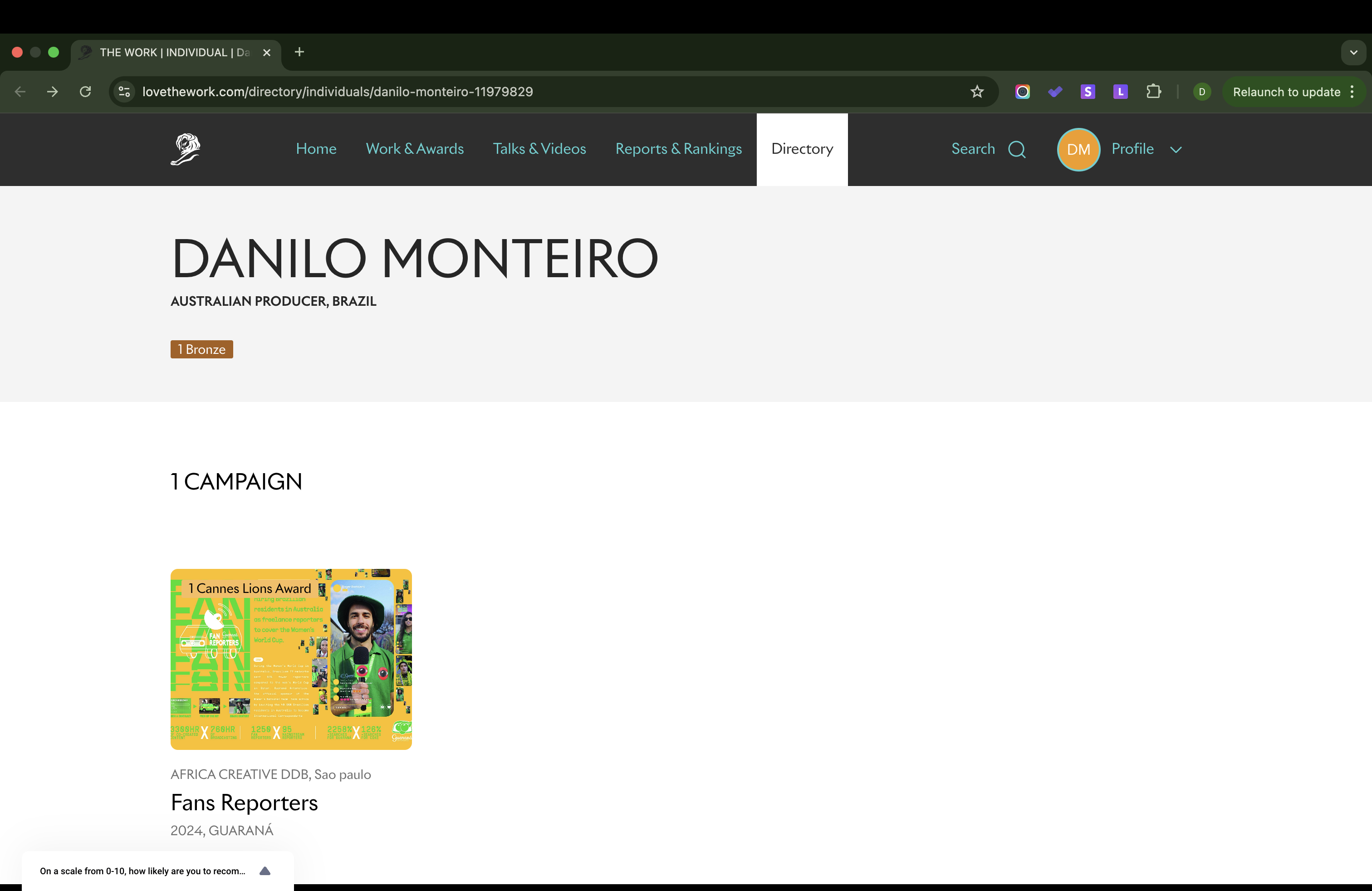
Founder & Creative Director
Most brands treat experiential marketing as a tent with a logo on it. That is not experiential. That is a logo on a tent. What we built for the 2023 Women's World Cup in Australia was something different — a full cultural ecosystem engineered to generate media, emotion, and measurable brand impact simultaneously.
Nine awards across four global festivals — Cannes Lions Bronze, Effie, El Ojo, CCSP — did not come from having the biggest budget. They came from understanding one fundamental truth: the most powerful broadcast channel at any live event is not the TV crew. It is the crowd itself. Read the full Olha Pra Elas case study for the complete visual breakdown.
The Problem We Were Hired to Solve
Our client was a Brazilian brand entering the Australian market during the Women's World Cup. The brief was essentially: make noise. The challenge was that mainstream media had already carved up every premium placement. Official sponsors had locked down the perimeter. Traditional activation routes were either unavailable or priced out of reach for a challenger brand.
We had to find a different door in.
The Insight: Fans Are the Media
At the Women's World Cup in Australia, 95 credentialed journalists covered the tournament. We asked a different question: how many fans were attending each match? Thousands. And every single one of them had a smartphone, a social media account, and a genuine emotional connection to the story unfolding on the pitch.
"The camera at the match isn't the one Channel 7 brought. It's the one in 40,000 pockets." — Danilo Monteiro
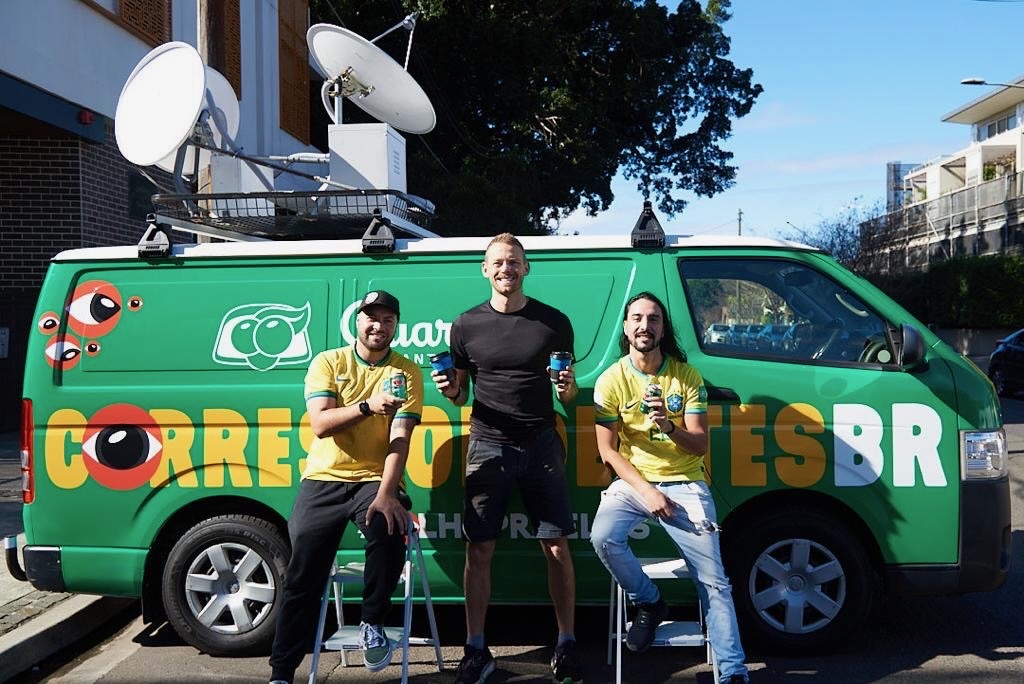
So we built Olha Pra Elas — which translates to "Look at Them" — a fan reporter programme that turned 1,250 everyday supporters into credentialed, branded, pitch-side correspondents across Adelaide, Brisbane, and Melbourne. We detail the full operational playbook in The Fan Reporter Playbook.
How We Engineered the Moment
Every element of the activation was designed with two outputs in mind: the physical experience and the digital artefact it would produce.
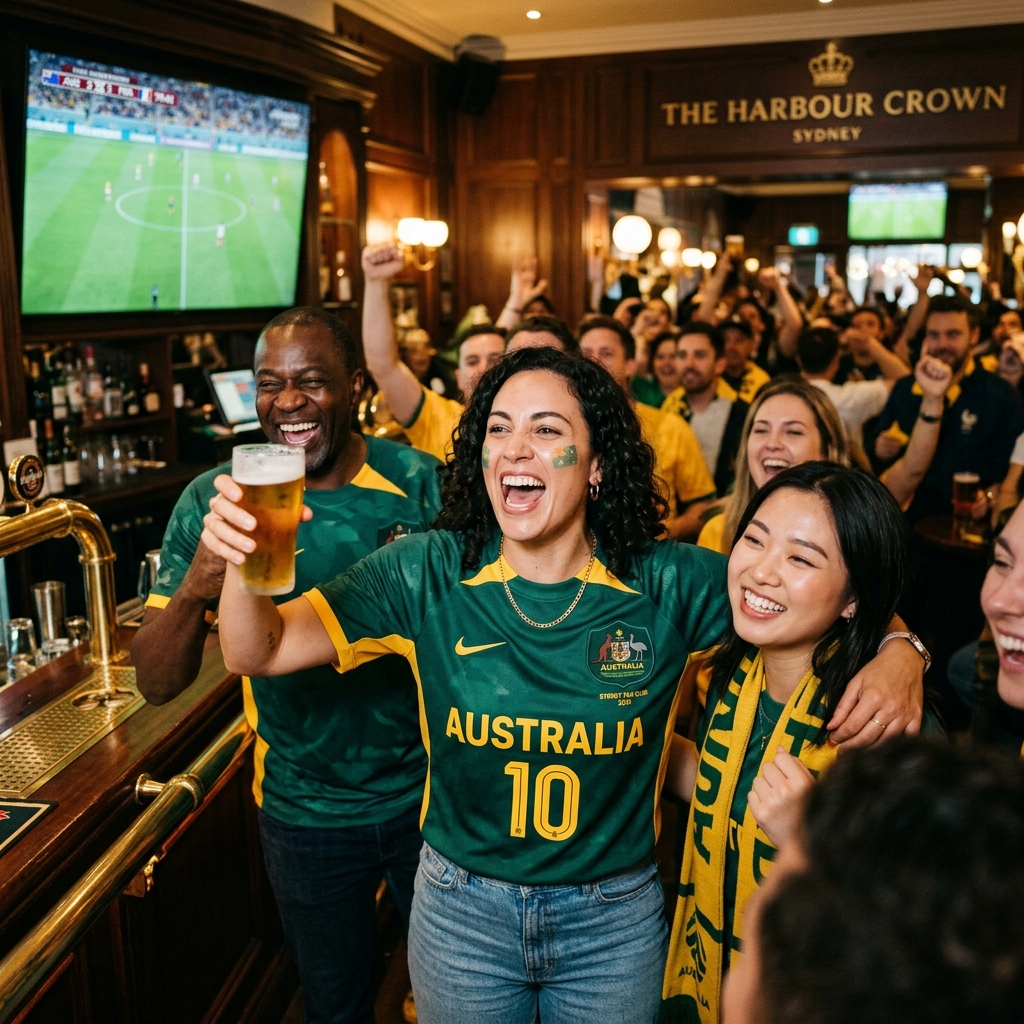
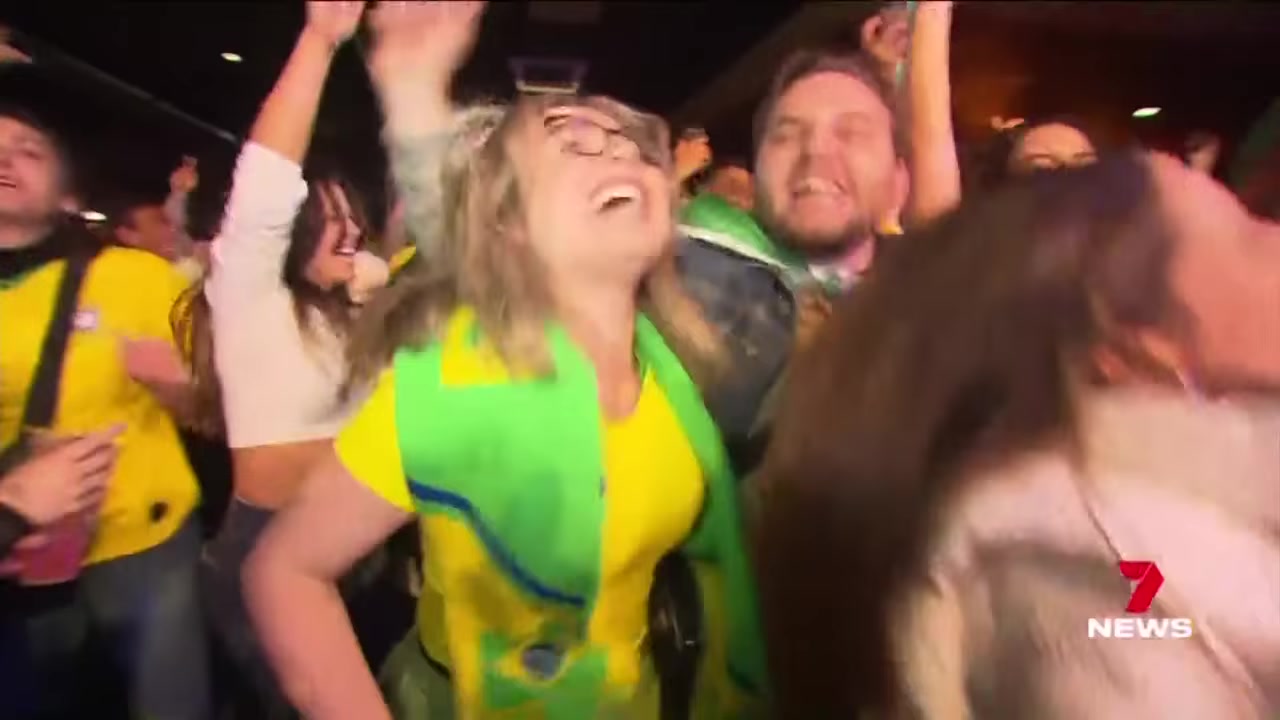
The march. We organised a police-escorted fan march to the stadium before key matches. 900+ fans, branded flags, drums, chants. The kind of scene that stops traffic, gets filmed from balconies, and ends up on the evening news without paying for a single second of airtime.
The press credential. Each fan reporter received a branded media lanyard and vest — the same visual shorthand that says "this person belongs here." That credential transformed their psychology. They were not just fans anymore. They were part of the story.
The brief. We gave them one job: document what the mainstream media misses. The tears in the stands. The grandmother who flew from São Paulo. The group of eight-year-olds meeting their heroes outside the stadium. These are the authentic moments that power our Ambassador Network.
The Numbers That Closed the Awards Jury
When the dust settled, 3,300 hours of user-generated content had been produced. Brand search spiked by 2,132%. The activation earned media coverage on Channel 7's broadcast, which reaches 9.25 million viewers. And the entire programme — from brief to final activation — was delivered in 20 days.
That last number is the one that surprises people most. Twenty days from blank brief to a police-escorted march across three Australian cities. That is only possible when the strategy is tight, the team is small and empowered, and you are not spending three weeks in approval loops.
What This Means for Your Brand
You do not need a World Cup to apply this thinking. Every live event, product launch, or brand moment has a crowd. The question is whether you are treating that crowd as an audience — passive consumers — or as co-creators who can carry your brand further than any paid media placement. For a broader framework, read our Sydney Experiential Marketing Guide.