The Sydney Experiential Marketing Guide (2026)
A comprehensive guide to planning, executing, and measuring experiential marketing campaigns in Sydney — from fan activations to venue takeovers.
Founder & Creative Director
Sydney is one of the most competitive experiential marketing markets in the Asia-Pacific region. With over 5.3 million residents, a tourism economy worth $36.2 billion annually (Destination NSW, 2025), and a cultural calendar packed with global sporting events, the city offers extraordinary opportunity — but only if you know how to cut through.
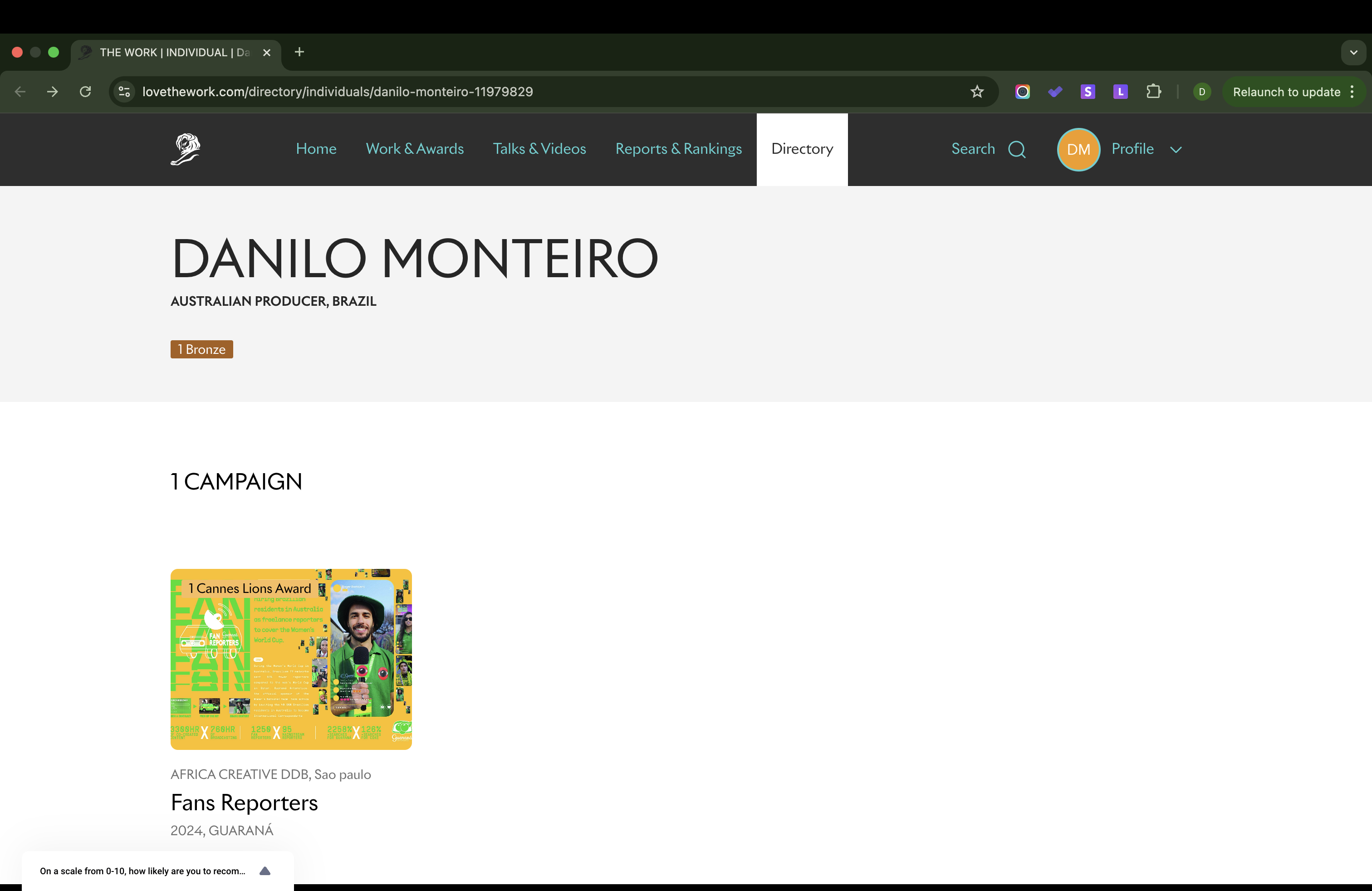
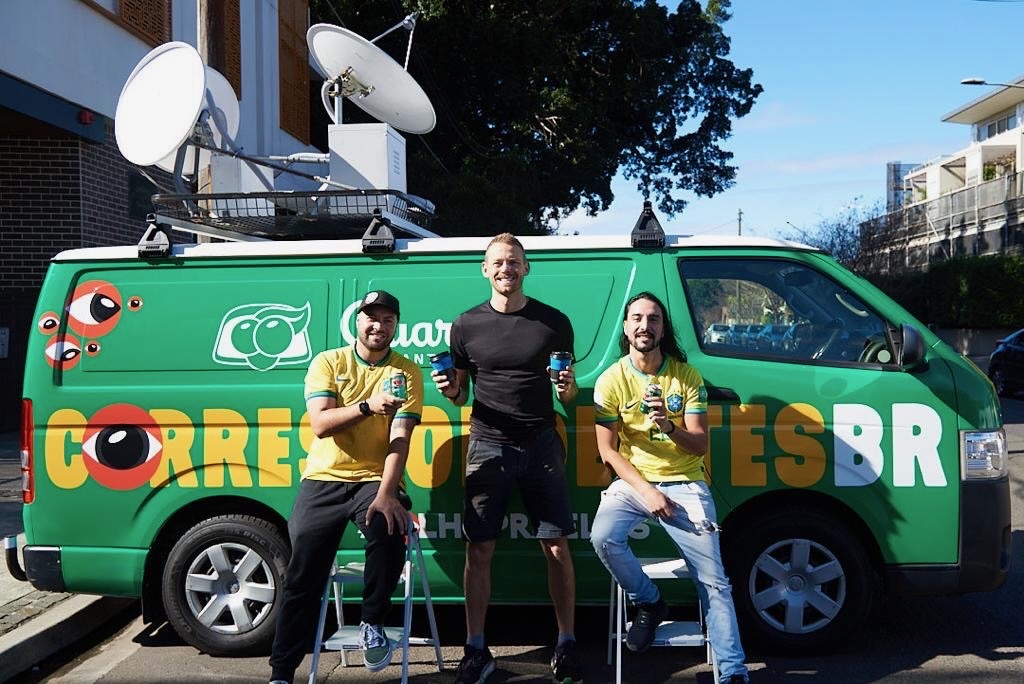
At Ipanema Media, we have spent the last four years building experiential campaigns across Sydney — from Cannes Lions Bronze-winning fan activations during the Women's World Cup to transforming quiet hotel bars into $18K-per-night destinations. This guide distils everything we have learned into a practical framework.
What Experiential Marketing Actually Means in 2026
Experiential marketing is not a pop-up tent with your logo on it. It is the design of a physical environment so compelling that the people inside it become your media channel. According to EventTrack's 2025 study, 91% of consumers reported feeling more positive about a brand after participating in an experiential activation, and 85% said they were likely to purchase afterwards.
"The most powerful broadcast channel at any live event is not the TV crew. It is the crowd itself." — Danilo Monteiro, Founder, Ipanema Media
The Three Pillars of a Sydney Activation
Every successful activation we have built rests on three pillars:
1. Physical Ecosystem Design. The venue, the flow, the sensory triggers. We covered this in depth in our case study on transforming The Australian Hotel's revenue — the principles apply to any activation space.
2. Social Amplification Engineering. Every physical touchpoint must be designed for the feed. Our Fan Reporter Playbook details how we generated 3,300 hours of UGC in 20 days by treating attendees as co-creators rather than passive observers.
3. Data Capture & Conversion. Pre-registration, on-site check-in, post-event CRM. Our Patron Engine system guarantees venue ROI before doors open by using pre-registration thresholds to trigger activations only when demand is confirmed.
Venue Selection: The Sydney Landscape
Sydney's venue market breaks into three tiers for experiential work:
- Tier 1 — Iconic Venues: Sydney Opera House, ICC, Allianz Stadium. High visibility, high cost, long lead times (6-12 months).
- Tier 2 — Hotel Groups & Pub Chains: Solotel, Merivale, Maloney Hotels. The sweet spot for recurring activations — manageable costs, established F&B infrastructure, and hungry for foot traffic.
- Tier 3 — Independent Venues: Owner-operator pubs, bars, and cultural spaces. Fastest to close deals, most creative freedom, but limited scale.
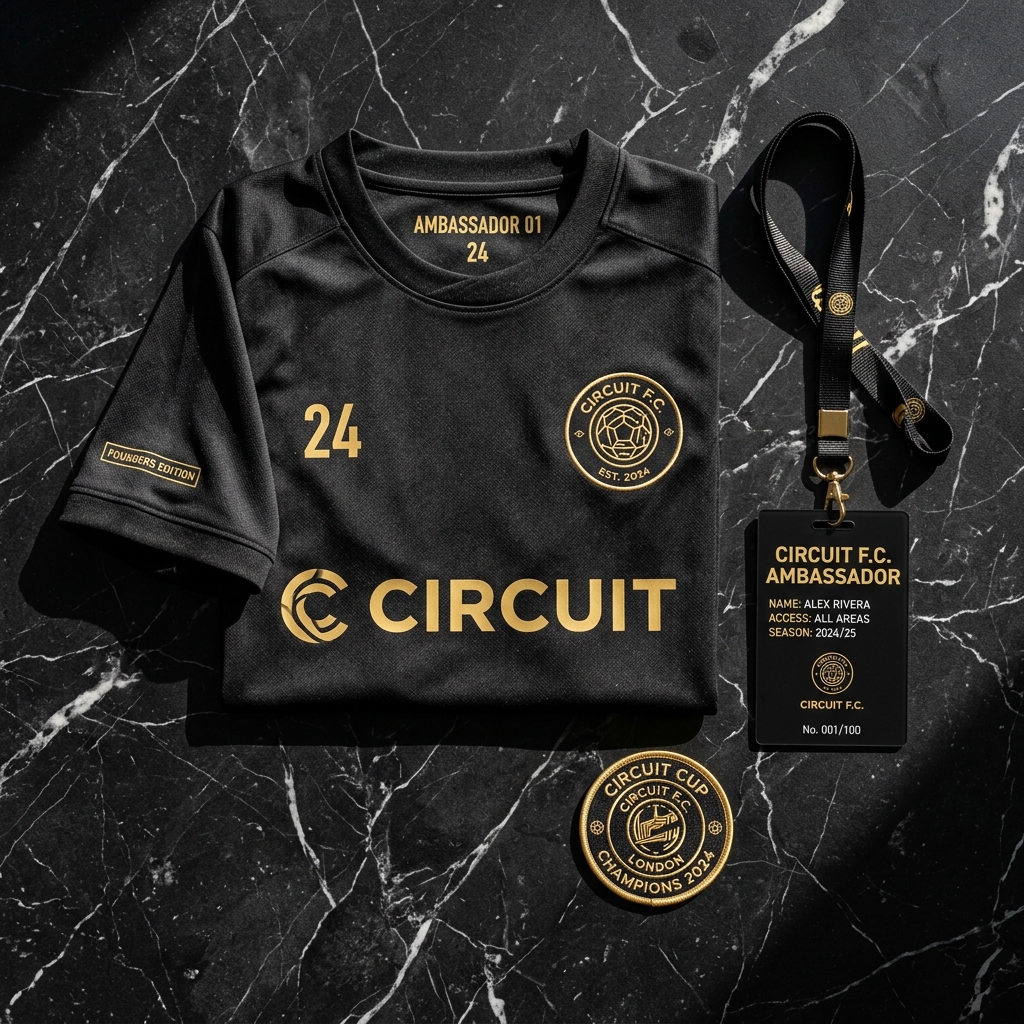
For our Circuit F.C. multi-venue model, we primarily target Tier 2 and Tier 3 venues because the sales cycle is shorter and the venue operators are directly incentivised by foot traffic.
Measuring What Matters
The metrics that actually matter for experiential campaigns are not impressions. They are:
- Cost per acquired fan/patron — how much did each new database entry cost?
- UGC generation rate — hours of content created per attendee
- Earned media value — what would the coverage have cost if purchased?
- Venue revenue uplift — direct F&B impact on activation nights
On the Olha Pra Elas campaign, our cost per fan reporter was under $12, while each reporter generated an average of 2.6 hours of branded content. The earned media from Channel 7 coverage alone was valued at over $2.1 million (source: Ipanema Media internal audit, 2024).
Start Here
If you are planning an experiential campaign in Sydney, start with these resources from our blog:
- How to Build an Award-Winning Experiential Campaign — the full Cannes Lions case study
- The Fan Reporter Playbook — our UGC generation system
- From $300/Night to $18K — venue revenue transformation
- The Fan Ambassador Network — scaling cultural connection
Or get in touch directly — we are always happy to talk strategy before talking contracts.