The Licensing Model: Why We Don't Sell Services, We Sell Systems
How Ipanema Media shifted from a 'hours-for-hire' agency to a high-margin IP licensing business.
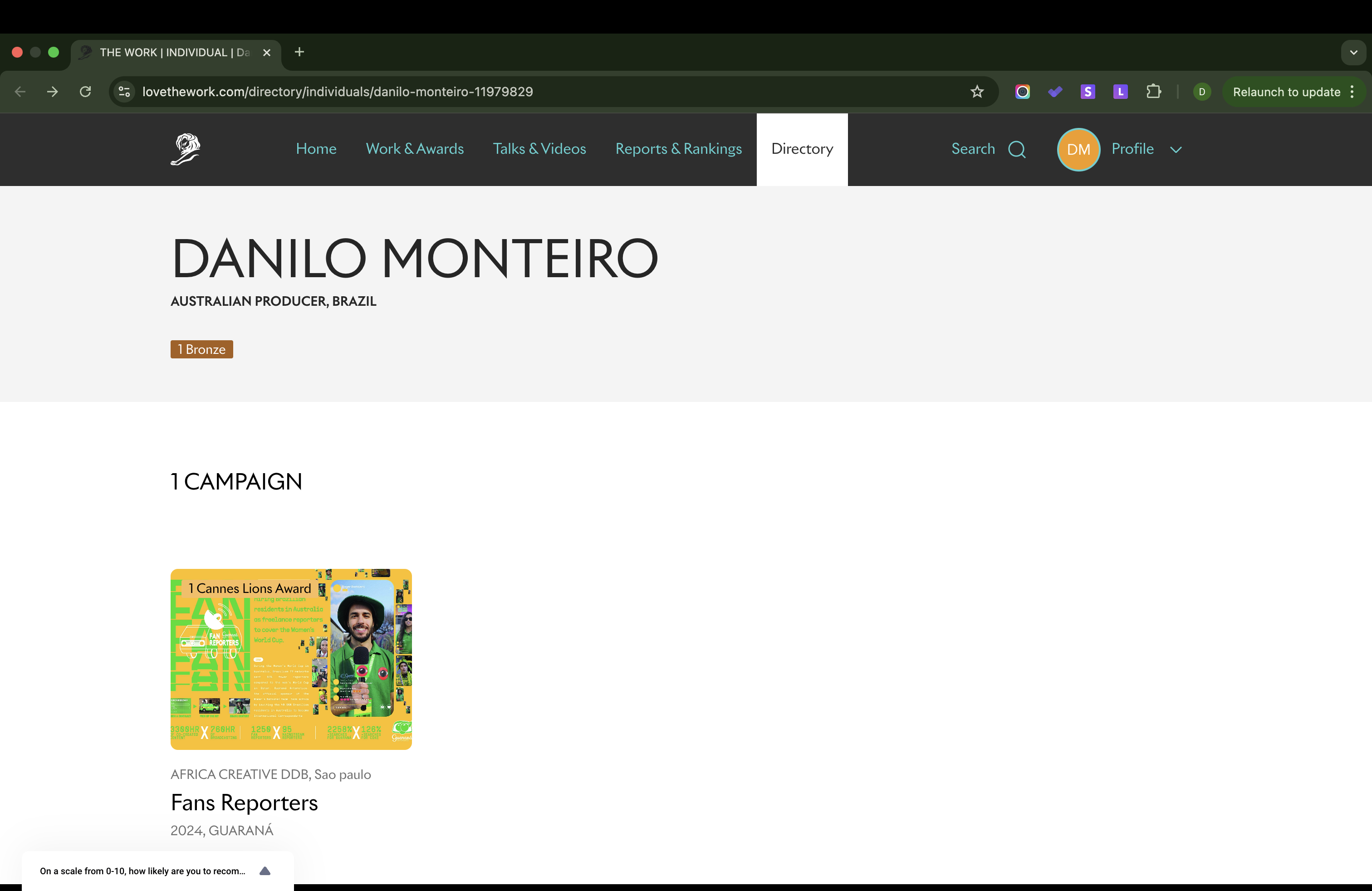
Founder & Creative Director

In the agency world, scaling usually means hiring more people. At Ipanema Media, scaling means licensing more IP. This is our Commercial Breakthrough.
Moving Up the Value Chain
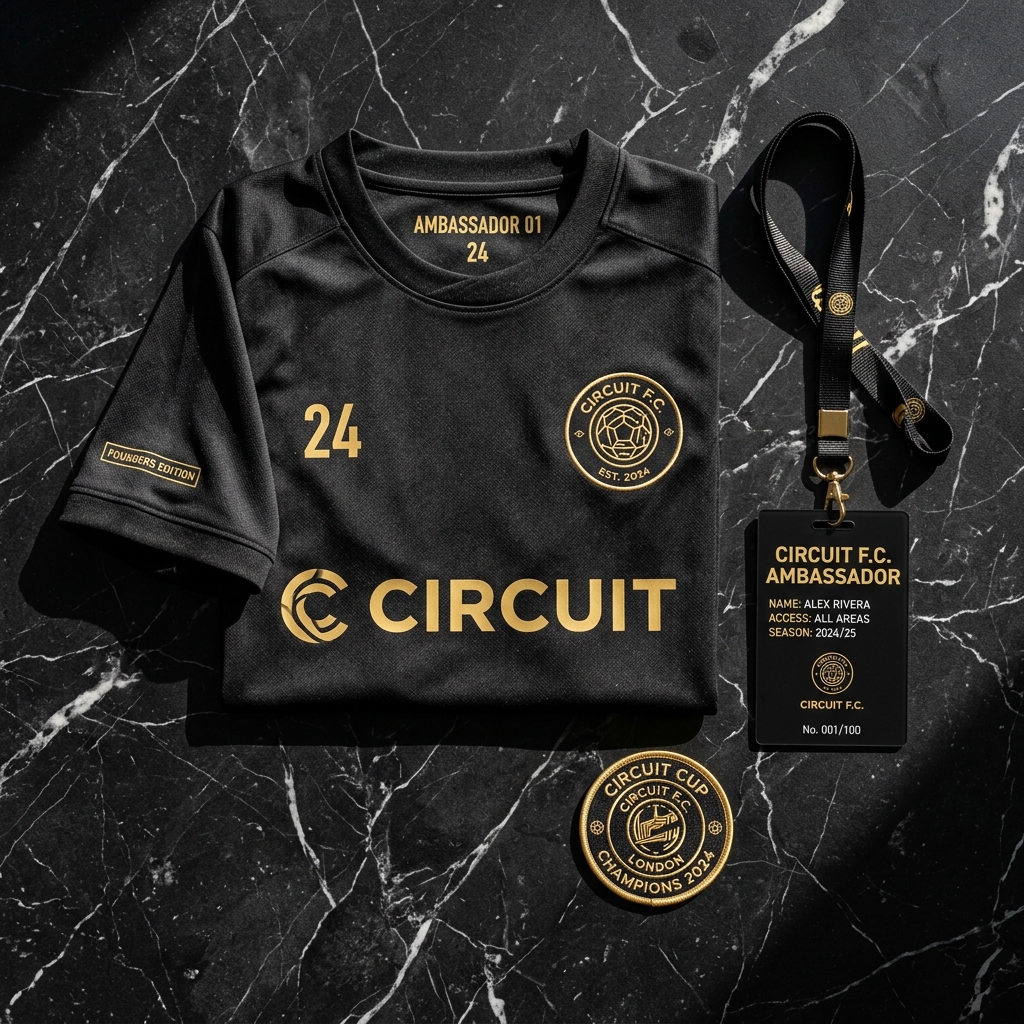
We recognised early that being a "marketing agency" is a race to the bottom. According to the Mirren Agency Survey (2024), the average agency profit margin in Australia sits at 11–15%. Instead, we positioned ourselves as an IP company. We own the Ambassador Circuit system, the Circuit F.C. brand, and the design rights to the kits. Venue groups do not hire us to "run social media" — they license our system to generate revenue.
"If you can't describe your business in a licensing agreement, you don't own a business; you own a job." — Danilo Monteiro, Founder, Ipanema Media
Multiple Revenue Layers
Our commercial model has five distinct layers that work in parallel:
- System Licensing Fees: Upfront payments from venue chains for the Circuit F.C. activation system.
- Kit Production Margin: Built-in profit from every jersey manufactured.
- Sponsorship Inventory: Selling space on the ambassador kit to beer and spirit brands.
- Stream Ad Revenue: Overlays and mentions during match-night atmosphere streams.
- D2C Merch: Selling the limited-edition jerseys to the public.
This structure guarantees that we are not tied to the hourly rate of a consultant, but to the performance of a scalable global brand. The same commercial discipline underpins our digital performance work at NMI Fashion, where we drove +45.5% year-on-year revenue through systems, not services.